
321-723-8388
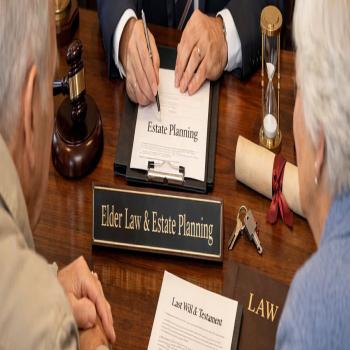
Estate planning focuses on wills and trusts, while elder law includes Medicaid planning and long-term care planning in addition to traditional estate documents.
Not everyone needs a trust, but many seniors benefit from one to avoid probate and manage assets during incapacity. An attorney can evaluate your specific needs.
Asset protection strategies such as irrevocable trusts and Medicaid planning may help safeguard certain assets while maintaining eligibility for benefits.
Your family may need to pursue guardianship through the court system, which can be time-consuming and expensive.
It’s recommended to review your estate plan every 3–5 years or after major life changes such as marriage, divorce, or significant financial changes.
Yes. Tools like revocable living trusts and beneficiary designations can help assets pass outside of probate.



