
321-723-8388

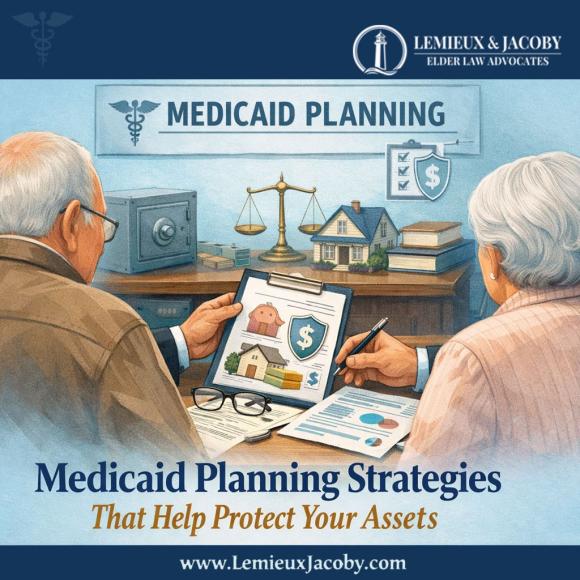
Medicaid Planning in Florida plays a crucial role for families facing increasing healthcare expenses and the growing cost of long-term care. As many individuals worry about paying for future medical needs without sacrificing the assets they have spent years building, thoughtful planning becomes essential. By using effective legal and financial strategies, families can become eligible for important Medicaid benefits while safeguarding their savings, homes, and overall financial legacy. With knowledgeable professional guidance, individuals can confidently prepare for long-term care needs and reduce the risk of unnecessary financial strain.
Understanding Medicaid and Asset Protection
Medicaid is a government program that helps cover long-term care expenses such as nursing home care, assisted living, and in-home support services. However, eligibility rules are strict, especially regarding income and asset limits. Without careful planning, individuals may be required to spend down most of their assets before qualifying.
This is where proactive Medicaid planning becomes essential. By preparing early, families can structure finances in ways that comply with Florida regulations while preserving wealth for spouses, children, or future generations.
Key Medicaid Planning Strategies
1. Asset Protection Trusts
One of the most effective tools in Medicaid planning is the use of specialized trusts. Properly established trusts can help move certain assets out of an applicant’s countable estate while still allowing limited control or benefits. Timing is important because Medicaid applies a five-year look-back period on asset transfers.
2. Strategic Asset Transfers
Gifting or transferring assets must be handled carefully to avoid penalties. Legal professionals help families plan transfers in a compliant manner, ensuring they do not unintentionally delay Medicaid eligibility.
3. Spousal Protection Planning
When one spouse requires long-term care, Medicaid rules allow the healthy spouse to retain a portion of income and assets. Strategic planning helps maximize these protections so the community spouse maintains financial stability.
4. Income Planning Techniques
Certain income restructuring strategies can help applicants meet Medicaid requirements while maintaining funds for personal needs. These approaches must follow strict legal guidelines to remain compliant.
5. Advance Legal Documents
Powers of attorney, healthcare directives, and estate planning documents play a critical role in Medicaid preparation. Having these documents in place ensures trusted individuals can make financial and medical decisions when needed.
Why Early Planning Matters
Many people wait until a medical crisis occurs before considering Medicaid planning, but early preparation offers significantly more options. Planning ahead helps families avoid rushed decisions, reduces stress, and increases the likelihood of protecting valuable assets such as homes, retirement savings, and investments.
Work With Experienced Professionals
Navigating Medicaid regulations can be overwhelming, especially as eligibility rules evolve over time. Partnering with a knowledgeable elder law firm helps ensure your planning strategies are compliant, effective, and customized to your personal goals.
Lemieux & Jacoby Elder Law Advocates is dedicated to helping Florida families confidently approach Medicaid Planning in Florida through thoughtful legal guidance and personalized solutions. If you are ready to explore ways to protect your assets while preparing for long-term care, their team is available to help you take the next step. You can connect with their office by calling 321-723-8388 or learn more about their services by visiting lemieuxjacoby.com, where helpful resources and professional support are just a click away.
